

BE ME LIKE : ค้นหาหนังสือธรรมะ หน้า 53 / 58
หน้าหนังสือทั้งหมด
80
Understanding Dhammakāya and its Significance in Buddhism
mental qualities128 or purity,129 or identifies it with realities to be
attained or experienced spiritually by noble disciples through the
penetration of the noble paths.130 In one instance, he connec
This text examines the term dhammakāya as articulated by Buddhaghosa, linking it to spiritual realities and teachings of the Buddha. It highlights the role of dhamma-vinaya as a guiding principle and
81
Understanding Dhammikāya in Buddhist Philosophy
Dhammapāla, like Buddhaghosa, employs the term dhammikāya
mostly as a noun, and relates it either with the Buddha’s mental
qualities and purity,134 with the Enlightenment either of the Buddha135
or hi
Dhammapāla discusses dhammikāya, relating it to the Buddha's mental qualities and Enlightenment. This term connects the Buddha's teachings and truths, illustrating his purity and extraordinary qualiti
84
Bibliography of Buddhist Studies
Bibliography
Dutt, Nalinaksha. Mahayana Buddhism. Delhi: Motilal Banarsidass, 1978.
Geiger, Wilhelm. “Dhamma and Brahman.” Zeitschrift flour buddhismus (1921): 73-83.
Gombrich, Richard. “The Buddha’s
This bibliography encompasses significant scholarly works in Buddhist studies, offering insights into various aspects such as the early Buddhist philosophy, the concept of Dharmakāya, and teachings of
85
Academic Studies on Buddhism
Mus, Paul. Barabudur: Sketch of a History of Buddhism Based on Archaeological Criticism of the Texts. New Delhi: Indira Gandhi National Centre for the Arts: Sterling Publishers, 1998.
Need, David Nort
This collection features key academic contributions to the study of Buddhism, drawing from archaeological criticism, doctrinal analyses, and comparative studies between traditions. Works by notable sc
87
Buddhist Manuscripts in China: Theravāda Buddhism in Sipsong Panna
Buddhist Manuscripts in China: A Case Study of Theravāda Buddhist Manuscripts in Sipsong Panna (Xishuangbanna, Yunnan Province, PRC)
Joe Zhou Ya
China, like many other countries in the world, is a c
This article delves into the rich tapestry of Buddhist culture in China, specifically focusing on the Theravāda Buddhism of the Dai people in Sipsong Panna, Yunnan Province. Buddhism's introduction to
88
Overview of Theravāda Buddhist Manuscripts in China
I will give a brief overview of the manuscripts that have been
discovered and catalogued, an explanation of some current research
projects, and I will discuss some of the problems that threaten
China'
This document provides an overview of Theravāda Buddhist manuscripts found in China, particularly in Yunnan Province. It discusses the significance of these manuscripts within the Dai community and hi
90
Buddhist Manuscripts from Sipsong Panna Region
Buddhist manuscripts from the Sipsong Panna region can be divided into four categories. The first category consists of the Dai Pāli Tripiṭaka and Tripiṭaka commentary (三藏琢) which is represented by fiv
Buddhist manuscripts from the Sipsong Panna region are categorized into four main groups: the Dai Pāli Tripiṭaka and Tripiṭaka commentary, frequently used Pāli Canon texts, Theravāda Buddhist literatu
92
The Role of Sa-Paper in Buddhist Manuscripts
are also certain exceptions to this. For example, Buddhist scriptures that are chanted daily are always copied on sa-paper manuscript for the convenience of page turning and reading. Secular literatur
Sa-paper, made by local artisans, serves as a practical alternative for copying both Buddhist and secular texts in Sipsong Panna. Although less symbolic than palm leaves, sa-paper's ease of use and du
97
Preservation of Palm-Leaf Scriptures in Dai Buddhism
donate palm-leaf scriptures as an act of merit and such donations
appear less frequently in the sacred dantam (贽坦) or offering
ceremony. Donors prefer to donate Buddhist scriptures printed
using mod
This text discusses the decline in donations of traditional palm-leaf scriptures in favor of more accessible and readable texts printed on Chinese and sa-paper. Reasons include cost, legibility, and t
98
Preserving Palm-Leaf Manuscripts in Southwestern China
Conclusion
Numerous palm-leaf and sa-paper manuscripts exist in the Dai regions in Southwestern China. These Buddhist manuscripts, copied and inscribed in Pāli and the Dai language using traditional
In Southwestern China, palm-leaf and sa-paper manuscripts are crucial for studying ancient Buddhism, showcasing the influence of Theravāda Buddhism. The recent collection efforts by the local governme
101
Understanding the Pāli Verses and Buddhist Doctrine
The Text
The first nine leaves are inscribed with Pāli verses and a commentary in Tai Yuan.4 The final leaf of the manuscript is an addendum, inscribed with a stanza of the Dvatiṃsa-mahāpuruśa-lakkhaṇ
The manuscript presents Pāli verses and commentary in Tai Yuan, summarizing Buddhist doctrines about the Buddha's physical body and wisdom. It includes thirty stanzas highlighting qualities like divin
102
Wisdom and the Dhammakāya in Buddhist Teachings
Some of the qualities or forms of wisdom listed in the text are exclusive to Buddhas such as omniscience (sabbaññutāna), intrepdity (vesārajjanāna), and the ten supreme intellectual powers of a Buddha
The text highlights unique qualities of wisdom exclusive to Buddhas, including omniscience and the ten intellectual powers. It discusses the dhammakāya as the embodiment of a Buddha's inner wisdom, di
103
The Historical Significance of Dhammakāya Verse in Thai Buddhism
Although there is no date on the manuscript, the dhammakāya verse has been known in the Lan Na regions for many centuries. It also appears on a 16th century stone inscription unearthed at the site of
The dhammakāya verse has been recognized in the Lan Na regions for centuries, with historical inscriptions confirming its existence dating back to the 16th century, specifically at Wat Tham Suea in Ph
122
An Shigao's Contributions to Meditation Texts
Dao An 道安 (314-385 AD) states An Shigao's translation works which are concerned with meditation include Anban shouyi jing 安般守意經, Da Daodi jing 大道地經 "Yogācārabhumi Sūtra", Da shi er men jing 大十二門經, Xia
Dao An (314-385 AD) highlighted the works of An Shigao, particularly those focused on meditation, including texts like the Anban shouyi jing and Chanxing faxiang jing. Many of these translations have
124
Meditation Practices Introduced by An Shigao in Eastern Han China
What kind of meditation did An Shigao introduce into Eastern Han China?
An Shigao and other Central Asian translators were welcomed into Eastern Han China (25-220 CE), by the cultured elites who were
An Shigao, notable for his translations, played a key role in introducing meditation practices to Eastern Han China (25-220 CE). The prevalent form during this period was breathing meditation, particu
131
Eastern Han Buddhist Meditation and Daoism
Eastern Han Buddhist meditation and Daoism
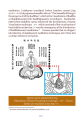
By the middle of the first century CE, a Buddhist community was already in existence in China, and growing. The arrival of translators from Central Asia and
By the first century CE, Buddhism had begun to take root in China, with translators arriving from Central Asia and India to convert texts into Chinese. They initially faced challenges in accurately co
135
Buddhist Influence on Daoist Visualization Techniques
meditation. Lokakṣema translated Foshou banzhou sanmei jing 佛說般若三昧經 Pratyutpanna Samadhi-sūtra or “The Samadhi of Being in the presence of all the Buddhas”, which is the Visualization of Buddha or Bud
This text discusses the translation of Buddhist sutras like the Pratyutpanna Samadhi-sūtra and their influence on Daoist visualization techniques. It highlights how practices such as Buddhānusmṛti and
140
The Gift of Dhamma: An Appreciation
“Sabba danam dhamma danam jinati”
“The gift of Dhamma excels all other gifts”
As director of the Dhammachai International Research Institute of Australia and New Zealand (DIRI), I would like to expre
In this message, Phrakrupladnayokwarawat (SudhammoBhikkhu) expresses gratitude to Rungsilp Printing Co., Ltd. for their support in publishing the DIRI journal. This publication aims to benefit student

18
การทำงานร่วมกันในกิจกรรม V-Peace
Here is the extracted text from the image:
**Left page:**
"ส่วน V-Peace นักเรียนก็มีหน้าที่ทุกคน โดยเฉพาะจะรับผิดชอบด้านต่าง ๆ ของกิจกรรมนี้ ซึ่งเป็นหน้าที่และเตรียมอุปกรณ์ให้พร้อมปฏิบัติหน้าที่ แม่ค
บทความนี้กล่าวถึงความสำคัญของการทำงานร่วมกันในกิจกรรม V-Peace โดยนักเรียนมีหน้าที่รับผิดชอบที่หลากหลาย รวมถึงการเตรียมอุปกรณ์และการช่วยเหลือซึ่งกันและกัน การทำงานร่วมกันนี้ไม่เพียงสร้างความภูมิใจในตัว
55
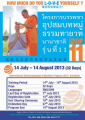
International Dhammadayada Ordination Program 2013
HOW MUCH DO YOU L-O-V-E YOURSELF ?
看您有多爱自己?
โครงการบรรพชาอุปสมบทหมู่ธรรมทายาทนานาชาติ IDOP รุ่นที่ 11
国际佛法新传者短期出家活动
14 July – 14 August 2013 (32 Days)
International Dhammadayada Ordination Program 201
The International Dhammadayada Ordination Program (IDOP) offers a unique opportunity for individuals to experience monastic life. Scheduled from July 14 to August 14, 2013, this 32-day program welcome